/
/
How rising tenant expectations in Dubai are quietly widening the gap between managed and unmanaged buildings
Tenant
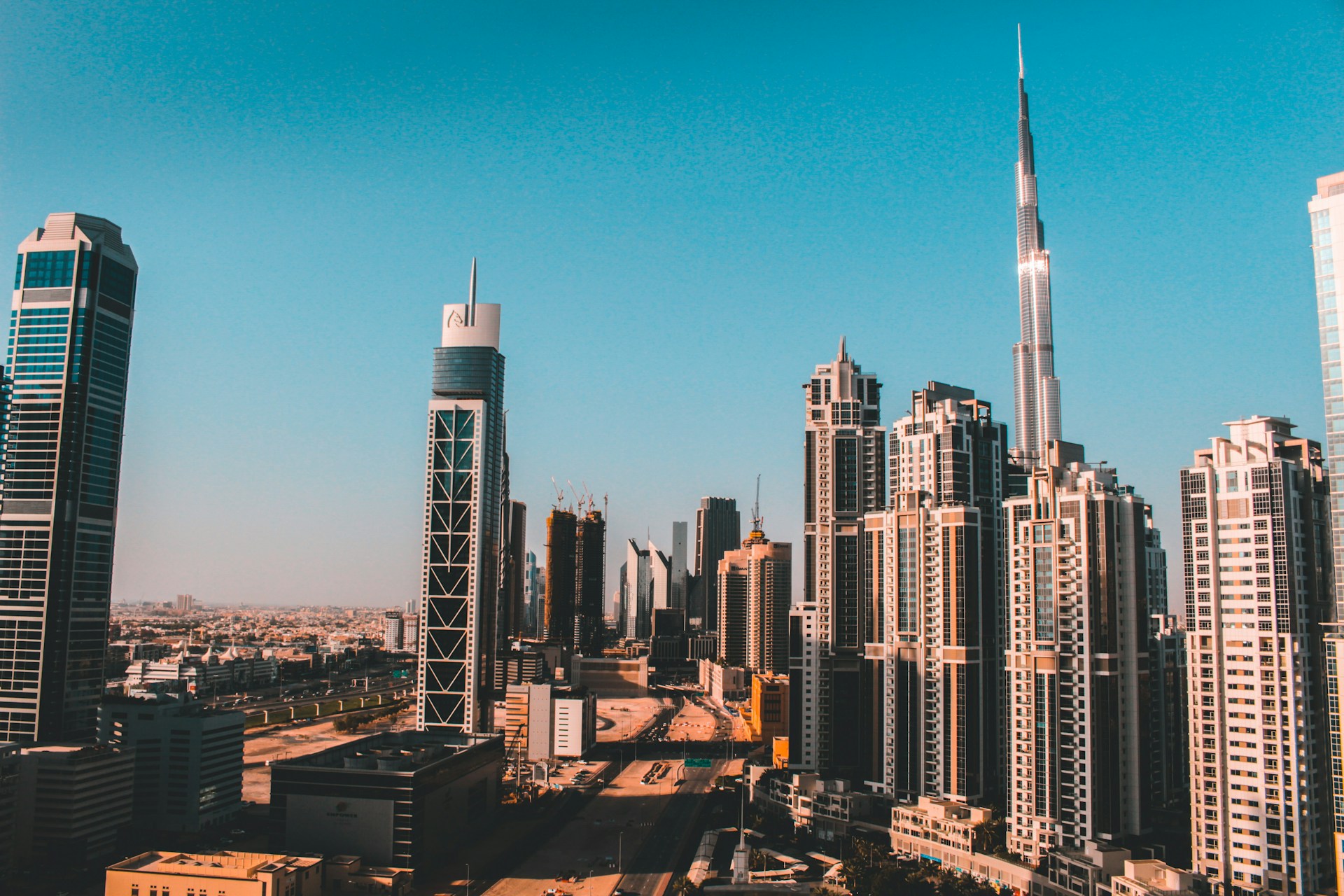
Dubai's real estate market has undergone a structural shift over the past three years that most building owners have not fully accounted for.
Rental rates have risen sharply. Demand has outpaced supply in key residential and commercial segments. On the surface, this environment flatters every landlord — occupancy holds, rents grow, and the pressure to perform feels low.
Beneath that surface, something more consequential is happening. The tenant profile in Dubai has changed. And with it, the standard against which every building is now being measured.
Residential tenants and commercial occupiers alike have materially raised their expectations around building quality, management responsiveness, transparency, and the overall experience of occupying a space. In a market where supply is tightening and alternatives exist, tenants are making decisions on renewal, relocation, rate negotiation based on these expectations with increasing frequency.
The buildings meeting them are pulling ahead. The buildings that are not are beginning to show it in their numbers, even if their owners have not yet connected the cause to the effect.
Part I — Residential
Who is renting in Dubai today
The residential tenant base in Dubai has shifted significantly in composition since 2020. The emirate's population growth has been driven substantially by high-earning professionals relocating from Europe, North America, South and Southeast Asia, and other GCC markets. These are tenants who have lived in cities with mature, professionally managed rental markets, London, Singapore, New York, Zurich, and they carry the expectations those markets created.
For this tenant profile, a building is not simply a place to live. It is part of a broader lifestyle decision. They are paying AED 60,000 to AED 200,000 or more annually in rent. They expect their building to reflect that.
What residential tenants now expect, and act on
Maintenance response time has become one of the primary drivers of residential tenant satisfaction and renewal decisions in Dubai. Market research across managed residential portfolios in the emirate consistently identifies response time as the top operational variable tenants cite when deciding whether to renew.
A tenant paying AED 125,000 per year for a two-bedroom apartment who submits a maintenance request and receives no acknowledgement for 72 hours is not simply inconvenienced. They are forming a view of the building and its ownership. When renewal comes, that view translates directly into a decision.
Professionally managed residential buildings in Dubai today operate with documented service level agreements: acknowledgement within 4 hours, resolution within 24–48 hours for standard requests, emergency response within 2–4 hours. Buildings without professional management typically operate on informal arrangements — a supervisor's WhatsApp number, a maintenance contractor on call — with no defined response standards and no accountability mechanism.
Beyond maintenance, residential tenants in Dubai's current market expect clean, well-maintained common areas as a baseline, not a differentiator. They expect functioning amenities — gyms, pools, lobbies — maintained to a consistent standard. They expect clear, professional communication around building matters: planned works, utility disruptions, community notices. And increasingly, they expect digital access — the ability to log requests, track resolutions, and communicate with building management through a platform rather than through informal channels.
The DOAM application is a direct response to this expectation. Tenants in professionally managed buildings across Dubai now have access to real-time communication, request tracking, and building updates through a single interface. In an unmanaged building, none of this exists.
What this means financially for residential building owners
The financial consequence of failing to meet these expectations is not a single event. It is a slow, compounding erosion.
A residential building in a competitive Dubai community — JVC, Silicon Oasis, Dubai Hills, Business Bay — that cannot retain tenants beyond 18 months because of management quality issues faces a structural yield disadvantage against comparable well-managed stock in the same area.
Tenants who would otherwise renew at market rate or above are instead vacating, triggering turnover costs, vacancy periods, and leasing fees. Over a five-year period on a 54-unit building, the difference between 18-month average tenancy and 36-month average tenancy — driven entirely by management quality — represents a material six-figure impact on net income.
More significantly, well-managed buildings in Dubai's residential market are beginning to command a rental premium over comparable unmanaged stock in the same communities. This premium is currently modest — 5–8% in most segments — but it is measurable and it is growing as the tenant pool continues to mature. A building that cannot justify that premium through its management quality is not only losing retention — it is losing pricing power.
Part II — Commercial
Who is occupying commercial space in Dubai today
Dubai's commercial real estate market has undergone an equally significant compositional shift. The emirate's emergence as a genuine global business hub has attracted a tenant base that includes multinational corporations, regional headquarters, financial institutions, professional services firms, and technology companies — many of them operating to international standards with procurement processes, facilities requirements, and occupier expectations that reflect those standards.
These are not tenants who will tolerate a building that does not perform. Their decisions about where to locate, whether to renew, and what they are willing to pay are informed by occupier experience data, facilities benchmarks, and in many cases, formal workplace standards that their own organisations require them to meet.
What commercial tenants now expect — and act on
The baseline expectations of a sophisticated commercial occupier in Dubai today go well beyond structural condition and location. They encompass the full operational experience of occupying the space.
Building management responsiveness is a contractual expectation for most institutional commercial tenants. Service level agreements covering maintenance response, HVAC performance, common area standards, security protocols, and facilities management are standard in well-managed commercial buildings and are increasingly required by tenants as a condition of occupation.
Common area presentation is a direct extension of a commercial tenant's own brand. A law firm, financial institution, or regional corporate headquarters occupying a building with a poorly maintained lobby, inconsistent cleaning standards, or unreliable lift performance is absorbing a reputational cost they did not agree to when they signed their lease. The decision to relocate at lease expiry is made long before the lease expires — often within the first 6–12 months of occupation if the building fails to meet basic operational standards.
Energy efficiency and sustainability credentials have moved from a preference to a procurement requirement for a growing segment of Dubai's commercial tenant market. Multinational corporations with ESG commitments and regional sustainability mandates are actively selecting buildings that can demonstrate energy performance data, waste management programs, and operational sustainability practices. Buildings that cannot provide this documentation are being removed from shortlists before negotiation begins.
Technology infrastructure expectations have also risen materially. High-speed, reliable connectivity, smart access systems, and digital building management capabilities are now table-stakes for grade A commercial occupiers in Dubai. A building without these capabilities is not competing in the same tier, regardless of its location or physical condition.
What this means financially for commercial building owners
The commercial real estate market in Dubai operates with longer lease cycles than residential — typically 2–5 years for SME tenants, 5–10 years for larger institutional occupiers. This creates a deceptive stability for building owners of underperforming commercial stock. Occupancy can look healthy for years before the renewal cycle exposes the underlying problem.
When institutional commercial tenants do not renew, the vacancy impact is disproportionate. A single floor of commercial space in a mid-size Dubai office building represents AED 800,000 to AED 2M or more in annual rental income depending on location and specification. A vacancy period of 6–12 months while finding a replacement tenant — common for commercial space that has fallen behind the market in management quality — is a significant capital event for the building owner.
More importantly, commercial tenants in Dubai's current market have more choice than at any point in the last decade. Grade A and Grade B supply has grown. The buildings that are winning renewals and attracting quality tenants are those where the occupier experience is managed to a professional standard. The buildings that are losing tenants are those where management has not kept pace with occupier expectations.
The gap between these two categories is not closing. It is widening.
The compounding dynamic
What makes this trend strategically significant for building owners is its compounding nature.
A well-managed building attracts quality tenants, retains them longer, commands a rental premium, generates lower turnover costs, and builds a track record that supports stronger re-leasing when vacancies do occur. Each of these outcomes reinforces the others.
An unmanaged or poorly managed building loses quality tenants to better-managed alternatives, experiences higher turnover, absorbs more vacancy, loses pricing power, and progressively attracts a lower tier of tenant — which further constrains rental growth and renewal quality.
This dynamic is already visible in Dubai's residential communities and commercial districts. The gap between managed and unmanaged buildings in the same location, the same specification, and the same market conditions is not a gap that can be attributed to luck or circumstance. It is a management gap. And in a market where tenant expectations are only moving in one direction, it will continue to grow.
Where building owners need to act
The window to close this gap without material financial consequence is narrowing. In a flat or declining rental market, management quality is a differentiator. In a rising market, it is easy to mistake rising rents for performance. The owners who will be most exposed are those who have benefited from Dubai's rental growth over the past three years without investing in the management quality that retains the tenants generating that income.
For residential building owners, the priority actions are structured maintenance management with defined response standards, a proactive tenant communication framework, digital management capability, and a systematic renewal and rent review process.
For commercial building owners, the priority is a comprehensive facilities management program with documented service levels, common area maintenance standards that reflect the quality of their tenant base, and increasingly, the ability to provide sustainability and energy performance data to occupiers who require it.
In both cases, the underlying requirement is the same: professional, structured, accountable asset management — not informal supervision.
Driven Asset Management provides full-service residential and commercial asset management across Dubai, managing 55+ buildings and projects for individual owners, family offices, MNCs, and institutional investors. For a confidential assessment of your building's performance, contact our team.